
by Sylvia Hoehns Wright

Across the Nation, flood water recedes exposing ravaged landscape. Embers smolder in the wake of waves of forest fire flame; and, our Nation’s flag flies at half mass to honor those who once again are victims of senseless mass murder. Under such conditions is it feasible to think we could and/or would enable prosperity?
On the other hand, perhaps it is such events that require us to have a sense of prosperity. For, prosperity is not defined in terms of money. It is a spiritual matter, an ongoing faith – not cash – which creates a sense of abundance.
Through using Julia Cameron’s 12 week program which is designed to identify an abundant life, the Prosperous Heart, let’s examine the concept of prosperity. Cameron’s research recommends five basic workshop tools: making stream of consciousness lists, counting in terms of debt, defining abstinence as ‘waste not want not’ attitude, taking thoughtful walks; and, perhaps more importantly giving oneself permission to have ‘time outs’ – sit quietly for self-appraisal. So, as a first step make a stream of consciousness list by finishing this phrase: I feel prosperous when - ---.
Applied to myself, I identified that I feel prosperous when I experience the change of season, the colors of spring and fall. I have a sense of faith when I harvest fruit and vegetables or sit on my deck and listen to the sounds of nature or see bountiful blooms result from landscape garden activities. I also feel prosperous when the smell of baking bread or scent of hardwood burning triggers memories of an agri-childhood. And, in fact, cherished moments occur when I snuggle with a grandchild while sharing stories of life experiences. These experiences – not money - enable my sense of prosperity.
While Cameron does not define prosperity in terms of money, most people do believe money is their source of prosperity. So, take a piece of paper and finish these sentences – money is, money means, money equals, my father thought money was, my mother thought money would. Is this what you actually believe? Similar to others, having a complicated relationship with money is not an unusual experience. So, explore alternatives.
Assuming you made a ‘stream of consciousness list’ compare it to present-day activities. Is there a relationship? If yes, do you feel prosperous? If not, why? I’ve translated my sense of prosperity - connecting to the ‘living green’ that surrounds me – into present-day life-style activities. For example, in my books Seven Steps to Grow Green Market Share or From Eco-weak to Eco-chic: landscape green step by step strategies are shared which encourages others to become people who CARE – acquire a perspective of conservation, accountability, recovery and eco-efficiency. To review other examples, link to web site www.TheWrightScoop.com .
In terms of your sense of prosperity, would you be seen as a person who walks their talk, a person who enables putting ‘green’ into present-day lifestyles? To further explore the impact of Cameron’s 12 week program, I’d appreciate your input. Contact Sylvia@TheWrightScoop.com or post comment below to share experiences; and together, let’s inspire others to acquire a prosperous heart.


Across the Nation, flood water recedes exposing ravaged landscape. Embers smolder in the wake of waves of forest fire flame; and, our Nation’s flag flies at half mass to honor those who once again are victims of senseless mass murder. Under such conditions is it feasible to think we could and/or would enable prosperity?
On the other hand, perhaps it is such events that require us to have a sense of prosperity. For, prosperity is not defined in terms of money. It is a spiritual matter, an ongoing faith – not cash – which creates a sense of abundance.
Through using Julia Cameron’s 12 week program which is designed to identify an abundant life, the Prosperous Heart, let’s examine the concept of prosperity. Cameron’s research recommends five basic workshop tools: making stream of consciousness lists, counting in terms of debt, defining abstinence as ‘waste not want not’ attitude, taking thoughtful walks; and, perhaps more importantly giving oneself permission to have ‘time outs’ – sit quietly for self-appraisal. So, as a first step make a stream of consciousness list by finishing this phrase: I feel prosperous when - ---.
Applied to myself, I identified that I feel prosperous when I experience the change of season, the colors of spring and fall. I have a sense of faith when I harvest fruit and vegetables or sit on my deck and listen to the sounds of nature or see bountiful blooms result from landscape garden activities. I also feel prosperous when the smell of baking bread or scent of hardwood burning triggers memories of an agri-childhood. And, in fact, cherished moments occur when I snuggle with a grandchild while sharing stories of life experiences. These experiences – not money - enable my sense of prosperity.
While Cameron does not define prosperity in terms of money, most people do believe money is their source of prosperity. So, take a piece of paper and finish these sentences – money is, money means, money equals, my father thought money was, my mother thought money would. Is this what you actually believe? Similar to others, having a complicated relationship with money is not an unusual experience. So, explore alternatives.
Assuming you made a ‘stream of consciousness list’ compare it to present-day activities. Is there a relationship? If yes, do you feel prosperous? If not, why? I’ve translated my sense of prosperity - connecting to the ‘living green’ that surrounds me – into present-day life-style activities. For example, in my books Seven Steps to Grow Green Market Share or From Eco-weak to Eco-chic: landscape green step by step strategies are shared which encourages others to become people who CARE – acquire a perspective of conservation, accountability, recovery and eco-efficiency. To review other examples, link to web site www.TheWrightScoop.com .
In terms of your sense of prosperity, would you be seen as a person who walks their talk, a person who enables putting ‘green’ into present-day lifestyles? To further explore the impact of Cameron’s 12 week program, I’d appreciate your input. Contact Sylvia@TheWrightScoop.com or post comment below to share experiences; and together, let’s inspire others to acquire a prosperous heart.
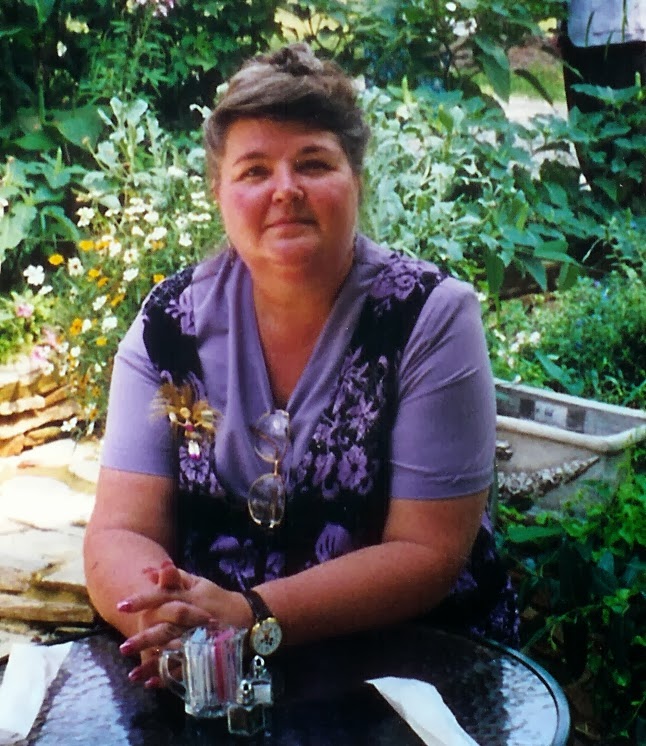
Recognized by Landscape Architect magazine as an Industry
‘mover and shaker’, The Wright Scoop – Sylvia Hoehns Wright challenges all to
‘get real’, move America’s landscape from eco-weak to eco-chic. For additional tips and strategies, link to
web site www.TheWrightScoop.com or contact Sylvia@TheWrightScoop.com or follow
her activities through facebook group The Wright Scoop or twitter ID
WrightScoop.
She is also a member of www.NLAPW.org


