Showing posts with label bullying. Show all posts

Thursday, October 31, 2013

How does a Humanist solve the problem of Bullying?


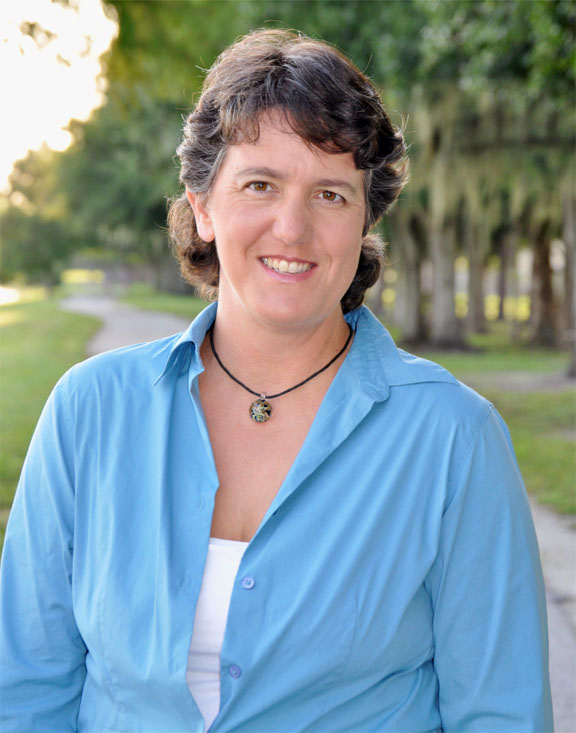
 by Jennifer Hancock


No parent wants to see their child suffer at the hands of a bully. As much as we would like to shield them from horrible people, as parents, we have to be realistic. Our job is to prepare our kids for life in the real world and that means helping them learn how to cope with mean people.

The problem is that most parents don’t know how to actually help their kids aside from general platitudes like – stand up for yourself or ignore them.

The question is, how does a Humanist parent approach the subject of bullying? The answer? With science and compassion of course.

It turns out that science has already figured out how to eliminate unwanted behavior. The field of behavioral psychology has studied this problem extensively. Using operant conditioning techniques, which are so effective, they are standard for every animal trainer in the country; you can train a bully or other obnoxious person to stop and leave you alone.

While these techniques are fairly easy to teach, they are very hard to implement, which is why most anti-bullying programs don’t teach them. But that doesn’t mean we shouldn’t try.

What currently passes for anti-bullying education is good but incomplete. Most programs only teach the beginning part of the behavioral extinction process. They don’t teach kids or adults how to actually complete the process.  This is why most attempts to eliminate bullying fail, despite everyone’s good intentions.

But failure with good intentions isn’t good enough anymore. Kids are committing suicide and killing their classmates to get away from the torment. We need to do better, which is why we need to stop shying away from teaching them what actually works.

The good news is that what actually works is scientifically sound, ethically compassionate and incredibly empowering for the victim.  

Bullying is all about power. Bullies gain power over their victims through aggression and coercion. When victims learn how to train a bully to stop, they regain the control they had lost and it’s amazing to see a child blossom when they learn these skills.

When it comes to bullies, we can no longer afford to let kids figure how to deal with them on their own. That’s a lot like throwing a kid into a swimming pool and hoping they will figure out how to swim. Just as it is saner, safer and a whole lot less traumatic to teach kids how to swim, it is also saner, safer and a whole lot less traumatic to teach kids how to get bullies to leave them alone.

Learn what it takes to get a bully to stop. Teach it to a child and share this information with others. Let’s start a knowledge revolution that will not only make a difference in the lives of children, but in the society in which we live.

Just image an entire generation of kids who have learned these skills. Just imagine an entire generation that didn’t have to deal with bullying? Just imagine what society will be like in 20 years if no child learns how to bully because their peers teach them not to? That’s a society I’d like to live in. It won’t be easy, but it is worth doing.


Tuesday, June 4, 2013

My Child is being Bullied: Now What?


Bullying is a pandemic in our nation's schools. Realizing this, we must do all that we can to help our children deal with the pressures that these annoying behaviors poses on their lives. Parents, we have a huge responsibility, but are we doing all that we can to intervene?
Let me ask these questions
As a parent, are you aware of the anti-bullying laws and policies in place at your child's school? If so, how is it being enforced? If not, have you voiced your concerns and/or asked to work closely with school officials in hope to create anti-bullying procedures at your child's school? Do you know if school officials at your child's school are clear about what actually constitutes bullying behaviors?
In some cases, there are concerns about what constitutes bullying behaviors verses normal play, or friendly horsing around. I know that you have these concerns too, so I'll define what bullying is and what it looks like.
Bullying Defined
Verbal (name calling, teasing, insulting, or threatening)
Physical (hitting, kicking, scratching, pushing, stealing, hiding/destroying someone else's property)
Social (refusing to talk to or play with someone, purposefully excluding someone)
Cyber (using electronics such as computer to write mean, demeaning messages about someone)
There are signs of bullying that you can watch for
Poor eating habits or asking to eat as soon as he/she gets home - bully takes lunch or lunch money
Depression
Torn clothes or mysterious bruises/scratches
Isolating self from others - appearing lonely
A change in grades - poor grades
A sudden dislike for school
Exhibiting unfounded anxiety
Low self-esteem
Complaint of sick feelings - stomach aches, headaches
Asking not to go to school
Signs of threats or suicide
If you have reason to believe that your child is being bullied
Stop, Look & Listen NOW
Talk to your child. Ask him/her about their school day. Ask if there is anything that you should know. Whatever you are doing or plan to do, stop! Your child must trust that you will drop whatever you are doing to see him/her through this crisis. Your child needs to know that you are listening to them; you hear their frustration and the pain that they are experiencing. You may want to repeat what you heard them say to you, thereby acknowledging that you are really listening. Let your child know that you will be there for them "at all costs."
Documentation
Get the story as clearly as possible from your child and document everything from your child's version of the bullying incidents to every conversation you have with school officials. Be sure to write things down as soon as an occurrence arises or a conversation happens. This way, incidents are still fresh in your child's mind. You may want to keep documentation separated by tabs in a tablet or a notebook to maintain a distinct record of each person's story. It will be important to keep your child's version separate from a school official's so that messages don't end up overlapping, getting accidentally mixed-up or combined.
Have other students been affected by the bully or bullies who are attacking your child? If so, what are their names? Were there any witnesses to the incidents? If so, what are their names? Does your child remember which class the other students are enrolled in? Can your child point them out? Encourage school officials to interview other children who may have been bullied.
Use dates, times and settings in your documentation. Did the incident happen in the cafeteria, classroom, or playground? Detailed documentation will not only help school officials target bullying incidents, but it will also give school officials an indication of how best to resolve issues as they examine antecedents (causes/variables that may have prompted the bully to react inappropriately), so that changes and individually tailored support plans can be implemented.
Approach school staff immediately
Bullying will not just stop on its own. Don't be afraid to approach school administrators.
You might find that some school officials and administrators may be territorial and believe that they are the educational experts, and you are "just a parent." Since you are your child's greatest advocate, here are a few ideas about how to approach the issue of your child being bullied while working collaboratively with school officials:
Do your research. You can assist school leaders with ideas of how to bully shield and bully proof the school that your child attends.
Approach the school leaders as if you are on their side. Do what you can to avoid creating an adversarial relationship between you and the people who have the power to help stop what is happening
Let the school leaders know that you are not only concerned about your child, but all children enrolled at the school. This will soften your approach thereby giving you greater lead-in for support and next steps.
Begin speaking to the school counselor before working your way up the organizational chart - Test the water, first.
When my own child was bullied at school, I spoke to the school principal directly. Due to budget cuts, this particular school had no assigned counselor. I approached the situation as a concern for the other child as well as my very own child. I said, "Perhaps this young girl is having personal problems in her home- life that's making her feel angry." Other times I would say, "Sounds like this child wants to take charge and is a bit bossy. Perhaps she can be shown how to use her leadership skills in a more positive and productive manner." By using this approach with the school principal, I believe that I softened the conversation, thereby gaining the principal's attention. It appeared that she was more willing to hear me.
But, there are times when the school will not help, so now what can you do?
Before I address this problem, I want to urge parents to always gather as much information about your school the first week or two of the new school year. This is the time when the climate is still warm and friendly, and stress levels aren't heightened due to the pressures of trying to keep up with everyday school life. Know the district level office organizational chart and levels of administration assigned to your child's campus. Attempt to retrieve their contact information such as names, email addresses, voice mail, and telephone numbers, and perhaps location of their office - this is last resort and never show up without an appointment.
When your child's school will not listen to you or help you through a bullying crisis, and you know that you have done your part, you have spoken to the classroom teacher, school counselor, assistant principal and principal if circumstances have taken you this far, you should contact central office staff and speak to your child's school assigned area superintendent.
Share your concerns and let this individual know that you have tried to work collaboratively with school officials at the campus level of your child's school. Trust me - Now that bullying has gained national attention, there is no doubt that this person will be all ears.
There are approximately 48 states that have laws mandating anti-bullying programs and services in schools, but some schools have been slow in implementing the programs.
Be sure that you know the anti-bullying laws of your state (Bully Police, USA has a state by state listing of anti-bullying legislation). Be ready and able to recite the Senate Bill and House Bill laws associated with the bully's offense. For example, if you live in Texas and your child is experiencing sexual harassment issues at school, and no one will address the issue, share your knowledge of SB 471 and HB 194. If you do this, everyone will know that you mean business!
When to call a lawyer
If you have gone through all the recommended steps above, more than likely you will not have to call a lawyer; however there may be times when your story will land on "deaf ears." If no one will listen to you, or if everyone has listened to you and they have chosen not to intervene, there is no more time to waste. You will want to get legal advice immediately. Time is of the essence and the safety of your child is paramount!
Focus on your child
Remember, there are effective steps that you can take as your child's anti-bullying advocate. Consider the fact that bullying related suicides are real.
STOP whatever you're doing and act quickly on your child's behalf. Our children count on us to help them during crisis. This is not the time to put ANYTHING else before your child. Show your child that they can trust and count on you.
About the author
Author Cherrye Vasquez has a Ph.D. in Curriculum & Instruction; a Ms.Ed in Special Education; and a BA in Speech Pathology/Audiology. She specializes in Multi-cultural education and holds certifications in Early Childhood Handicapped, Mid-Management and Educational Diagnostician.
Cherrye is passionate about empowering children, so her platform centers on diversity and bullying issues. She feels strongly that if children are empowered and armed with the tools needed for a deep love of self and self-identity, they will be able to withstand life's challenges, including bullies.
Website:
http://www.BooksThatSow.com
Twitter
https://twitter.com/bullieswillstop
Facebook
Opt-in Page – Sign up to receive helpful tips and news you can use to help stop bullying

Summer 2013 - Please look for Cherrye’s new release – Clique, Clique, Stop

Summer 2014 – Cherrye’s Bully book will be released


Sunday, May 13, 2012

Exceptional Announcement


Bullying Book by Florida Author to be Offered Free on Kindle


Manatee County FL – (May 10th 2012) – The Bully Vaccine, written by Florida author Jennifer Hancock, will be given away free to Kindle owners on May 14th and 15th 2012. This book is designed to help parents vaccinate their kids against bullies and other obnoxious petty people. By preparing for them in advance you can effectively inoculate yourself against the worst of their behavior.

In the book, Jen teaches parents practical ways they can protect their kids from bullying. Using techniques she learned from her mother as well as from her experience as a dolphin trainer in Hawaii. The skills taught in this book are based on operant conditioning techniques that really do work. But don’t let the fancy name fool you, these skills are so easy to learn even a kindergartner can understand them.

As a mother herself, Jen taught these skills to her son this past year while he was in kindergarten and he was easily able to put them into practice the very next day. And, yes, they worked; he even publically endorsed her book.

This is a great opportunity to get a book on an important topic for free and it will help a local author out as well. According to Jennifer, “The more people that know about the book and the more people who can get a copy of it for free, the more children who will be helped.”

About the author:
Jen Hancock – Humanistic Parenting expert: Jen helps parents focus on the real purpose of parenting: which is to teach our kids the skills they need to succeed in life. Whether the topic is bullying, choosing friends, being financially responsible, or simply why not to cheat, she makes difficult topics seem easy. Her advice is so practical it will leave you thinking, “Why didn’t I think of that?”  

Jen Hancock 
FB
Twitter


Wednesday, November 30, 2011

How to Stop Bullying

During an era when there is increased bullying in our nation’s schools, we must support our legislatures as they attempt to implement a Bullying Prevention Program and enforce stricter sanctions in an effort to end bullying.
Administrators and teachers must begin to identify the bullies that walk the hallways of schools, and let them realize that they are being carefully watched.
Bullying defined:
·         Physical (hitting, kicking, pushing, stealing, hiding, or ruining others’ possession against his or her will.
·         Verbal (name calling, teasing, insulting, or threatening)
·         Social (refusing to talk to, or play with someone, making someone feel left out)
·         Cyber (using electronics such as computer to write mean, demeaning, truths or untruths about someone)
Research reveals that bullying victims may experience:
·         Depression
·         Loneliness
·         Anxiety,
·         Low self-esteem
·         Feelings of sickness
·         Poor eating habits
·         Dislike for school
·         Poor grades
·         Or the worst (think about, or commit suicide)
As parents and educators, we must help our children affirm who they are. We must enhance and build their self-worth as hearty and powerful individuals who are sure of themselves. Bullying will become a record low in our nation's schools if we talk to children about respecting differences and similarities of others.
My children’s chapter book, No Tildes on Tuesday, has arrived at a crucial time. It is unique because there is a worksheet entitled: I am a Biracial/Multiracial Person! Let me Share My Attributes with You in the back of it. Students may be encouraged to discuss the personal attributes that they possess, or the positive strengths they have personally acquired over time. Just remove the title and use the worksheet as needed for discussion.
Once a child is given the necessary tools to strengthen his or her character, he or she will be strong enough to withstand upsets in life, including bullying.
What can we do?
 1. Our children should learn to love themselves and appreciate who they are!
·         Empowerment   ·     Boost their self-esteem  ·     Teach leadership skills     ·    Social Problem-Solving    Techniques
                ·         Role Play -- helps build self-esteem, encourages the child to speak up, fosters                     encouragement/character building    ·    Use Self-fulfilling prophecy    ·    Use words of empowerment
 By doing so, we will equip our children with strength to withstand!

 2. Work with Administrators at Your Child's School -- Assist them with ideas to Bully  
    shield/proof our schools
         ·         Foster climate of respect one to another    · Encourage staff to talk to children about differences and acceptance of differences using friendly discourse   ·  Teach and model acceptance of other·  Implement school wide, classroom, and individual intervention programs · Implement school wide rules and sanctions
 ·        Build and enforce a climate that is intolerant of bullying behaviors
 3. Intervene -- Our children need to know that we are listening to them -- Hear about the pain they are experiencing
          ·         There needs to be consistent supervision -- in hallways, under stairwells and places that children can easily hide and disguise themselves.
4. Talk to our children. Ask them about their day at school. Ask if there is anything we need to know.
           ·         Get into the trenches -- Let your children know that you will be there for them "at all cost"
Dr. Cherrye S. Vasquez, Ph.D.
Author Cherrye S. Vasquez is a public school administrator and an adjunct professor. She is a Doctor of Philosophy in Curriculum & Instruction; a Master of Education in Special Education; and a Bachelor of Arts in Speech Pathology/Audiology. Vasquez specializes in Multi-cultural education and holds certifications in Early Childhood Handicapped, Mid-Management and Educational Diagnostician.